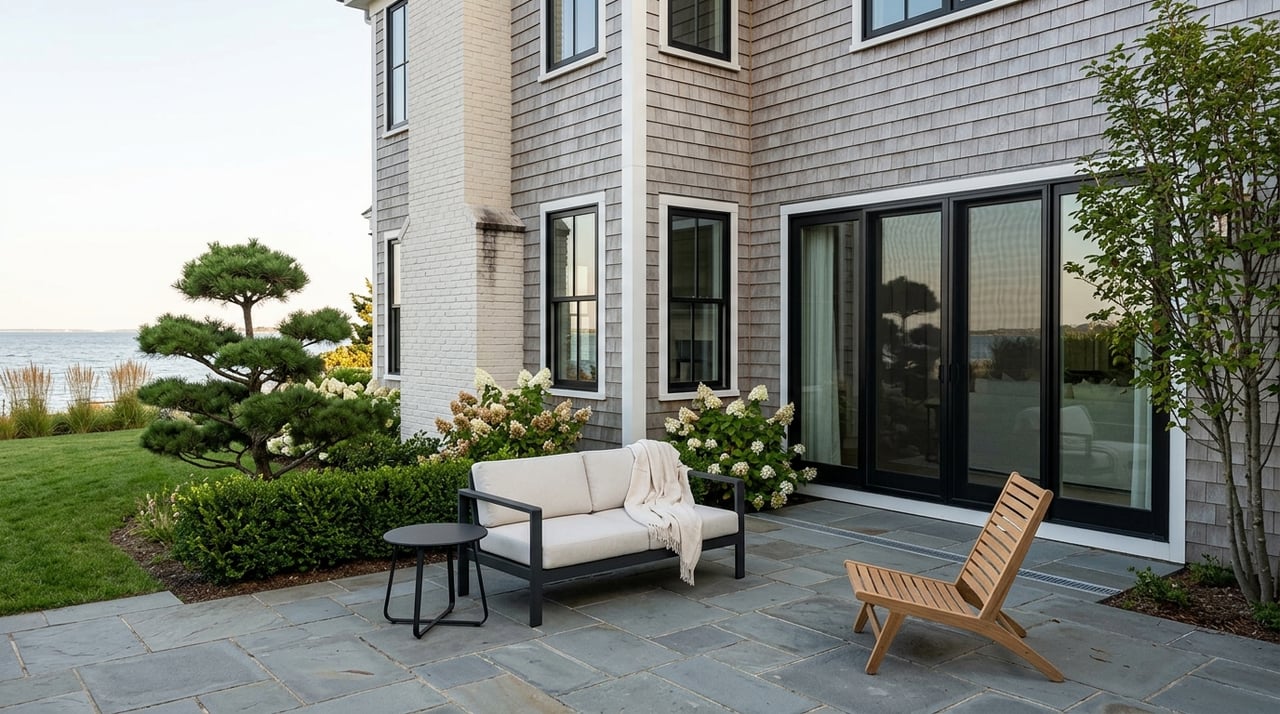
What does waterfront living actually feel like when it is part of your daily routine, not just a weekend plan? In Oyster Bay, the answer is less about a resort atmosphere and more about a harbor-centered lifestyle shaped by parks, boating access, a historic downtown, and a steady rhythm of local events. If you are considering a move or simply want a clearer picture of the area, this guide will show you what everyday waterfront living in Oyster Bay really looks like. Let’s dive in.
Oyster Bay’s Waterfront Identity
Oyster Bay has a waterfront character that is tied closely to its history and layout. The National Park Service describes it as a historic village and hamlet with shops, restaurants, historic sites, parks, and a waterfront, all within a compact setting. That combination gives the area a lived-in, everyday feel rather than a purely seasonal one.
The harbor is central to how Oyster Bay functions and feels. According to the National Park Service, the area was settled in 1653 and developed over time as a colonial settlement, shipbuilding center, and later a summer destination. That history still shows up in the streetscape, the waterfront setting, and the connection between downtown and the water.
Another defining part of Oyster Bay is its natural setting. The nearby Congressman Lester Wolff Oyster Bay National Wildlife Refuge includes 3,209 acres of bay, salt marsh, and freshwater wetlands, according to the U.S. Fish & Wildlife Service. That protected environment helps preserve the harbor’s character while also supporting boating, birding, wildlife observation, and shellfishing.
Daily Life Near the Water
For many residents, waterfront living in Oyster Bay means easy access to parks and activity spaces that can become part of your routine. The Town of Oyster Bay lists Theodore Roosevelt Memorial Park and Beach as offering a beach, playground, boat launching ramp, and kayaking. Nearby Beekman Beach is described as a passive park with kayak and dinghy rentals, though swimming is not permitted there.
The WaterFront Center adds another layer to daily life by offering sailing lessons, summer programs, school programs, sailboat rentals, kayak rentals, bicycle rentals, and sails aboard the historic oyster sloop Christeen. Located between Beekman Beach and Theodore Roosevelt Memorial Park, it gives the waterfront a practical, active-use element that many buyers appreciate.
If you enjoy walking as part of your routine, downtown Oyster Bay supports that lifestyle well. The National Park Service says most of the Village of Oyster Bay includes sidewalks, curbcuts, crosswalks, and mostly paved surfaces. The Oyster Bay Main Street Association also describes downtown as having restaurants, shops, public art, seasonal outdoor dining, and an accessible waterfront.
Commuting and Convenience
One of Oyster Bay’s more useful lifestyle advantages is that waterfront living here can still work for some commuters. The Oyster Bay Long Island Rail Road station is accessible and includes a ramp, tactile warning strips, and audiovisual passenger information systems, according to the MTA. That matters if you want waterfront access without feeling disconnected from regional transit.
The MTA also notes that the station sits directly across from Theodore Roosevelt Memorial Park and is within walking distance of downtown Oyster Bay, Beekman Beach, Raynham Hall, and the Oyster Bay Railroad Museum. Travel time from Penn Station or Grand Central is estimated at about one hour and 20 minutes. For some buyers, that makes Oyster Bay a realistic option for car-light living on certain days.
Recreation Has a Seasonal Rhythm
Oyster Bay’s waterfront is active year-round, but summer is when the harbor energy is most noticeable. Boating, kayaking, beach visits, and marina activity all increase during the warmer months. The Town’s beach and boating information shows that waterfront access is managed through systems such as resident beach stickers, resident discount options, kayak rack rentals, winter storage, and some marina waiting lists.
That structure is important to understand if you are thinking about lifestyle fit. Oyster Bay’s waterfront is accessible, but it is not completely informal or open-ended. The Town’s Marine Enforcement division also oversees moorings and boating safety, which reflects how organized and actively managed these waters are.
The broader park system adds to that recreational appeal. The Town of Oyster Bay says its Parks Department oversees more than 235 park parcels and more than 1,000 acres of parkland. That means waterfront living here is supported by a much larger network of outdoor amenities, not just the harbor itself.
Events Keep the Waterfront Engaged
A big part of everyday waterfront living is how often there is something happening nearby. Oyster Fest is the most visible example. The official event site says it has been running for more than 40 years, attracts more than 150,000 visitors, and includes oyster contests, arts and crafts, carnival rides, live entertainment, and activity along Audrey Avenue.
That said, Oyster Fest also shows one of the practical tradeoffs of a popular waterfront town. Parking is extremely limited during the event, shuttle buses are used, and the Long Island Rail Road is promoted as the best way to arrive. If you live nearby, that can be exciting, but it also means planning around a major seasonal crowd event.
The energy does not stop when summer ends. The Oyster Bay Main Street Association lists recurring and seasonal events such as the Oyster Bay Market, Dancing in the Street, the Oyster Bay Garden Tour, Holiday Stroll & Market, and Boo-tiques by the Bay. Those events help keep downtown active across the year and support the area’s historic commercial core.
Waterfront Living Comes With Tradeoffs
As appealing as Oyster Bay’s harbor lifestyle can be, it is smart to understand the practical side early. One of the biggest considerations for waterfront buyers is flood-zone diligence. FEMA states that its Flood Insurance Rate Maps are the official maps used to identify Special Flood Hazard Areas, so address-specific review should be part of your early home search process.
Access is another factor. Many town-managed beaches and marinas rely on resident credentials, seasonal stickers, permits, and, in some cases, waiting lists. That can be a positive if you value a more resident-oriented experience, but it also means you should look closely at how a property’s location lines up with the waterfront access you want to use most.
The environmental setting is also part of ownership in this area. The U.S. Fish & Wildlife Service notes that the refuge supports boating, fishing, birding, wildlife observation, shellfishing, photography, and environmental education, while asking visitors to respect boundaries and rules. In practical terms, living here often means enjoying a strong sense of place while being mindful of the harbor’s protected natural resources.
Who Oyster Bay Waterfront Living Fits Best
Oyster Bay often appeals to buyers who want a waterfront setting that feels active and residential rather than purely seasonal. The mix of marina activity, parks, walkable downtown amenities, local events, and rail access creates a lifestyle that can suit people looking for both charm and function. It is especially compelling if you want water nearby as part of everyday life, not only for special occasions.
For sellers, that same mix can be a meaningful part of a home’s story. Buyers are often responding not just to a property itself, but to how easily they can picture mornings near the harbor, afternoons in the park, or evenings downtown. In a market like Oyster Bay, presenting that lifestyle clearly can make a real difference in how a home is perceived.
If you are thinking about buying or selling in Oyster Bay, working with a team that understands both the numbers and the lifestyle matters. The Farber Locke Team brings North Shore insight, thoughtful strategy, and high-touch guidance to help you navigate your next move with confidence.
FAQs
What is everyday waterfront living like in Oyster Bay?
- Everyday waterfront living in Oyster Bay typically centers on harbor access, parks, kayaking, boating, walkable downtown amenities, and a year-round calendar of local events.
What waterfront parks and beaches are in Oyster Bay?
- Town resources list Theodore Roosevelt Memorial Park and Beach, Beekman Beach, and the WaterFront Center as key parts of Oyster Bay’s waterfront experience.
Is Oyster Bay a good option for commuters who want waterfront living?
- Oyster Bay can work for some commuters because the accessible LIRR station is near downtown and across from Theodore Roosevelt Memorial Park, with service to Penn Station and Grand Central estimated at about one hour and 20 minutes.
What should buyers know about Oyster Bay waterfront access?
- Buyers should know that some waterfront amenities are managed through resident stickers, permits, rentals, and waiting lists, so access is active and structured rather than fully open-ended.
What should buyers check before purchasing a waterfront home in Oyster Bay?
- Buyers should review the property’s specific flood-zone status early, along with practical details tied to beach, marina, and boating access.
What makes Oyster Bay different from a resort-style waterfront town?
- Oyster Bay stands out for its historic downtown, harbor-centered recreation, protected natural areas, commuter rail access, and year-round local events, which create a more residential waterfront lifestyle.
