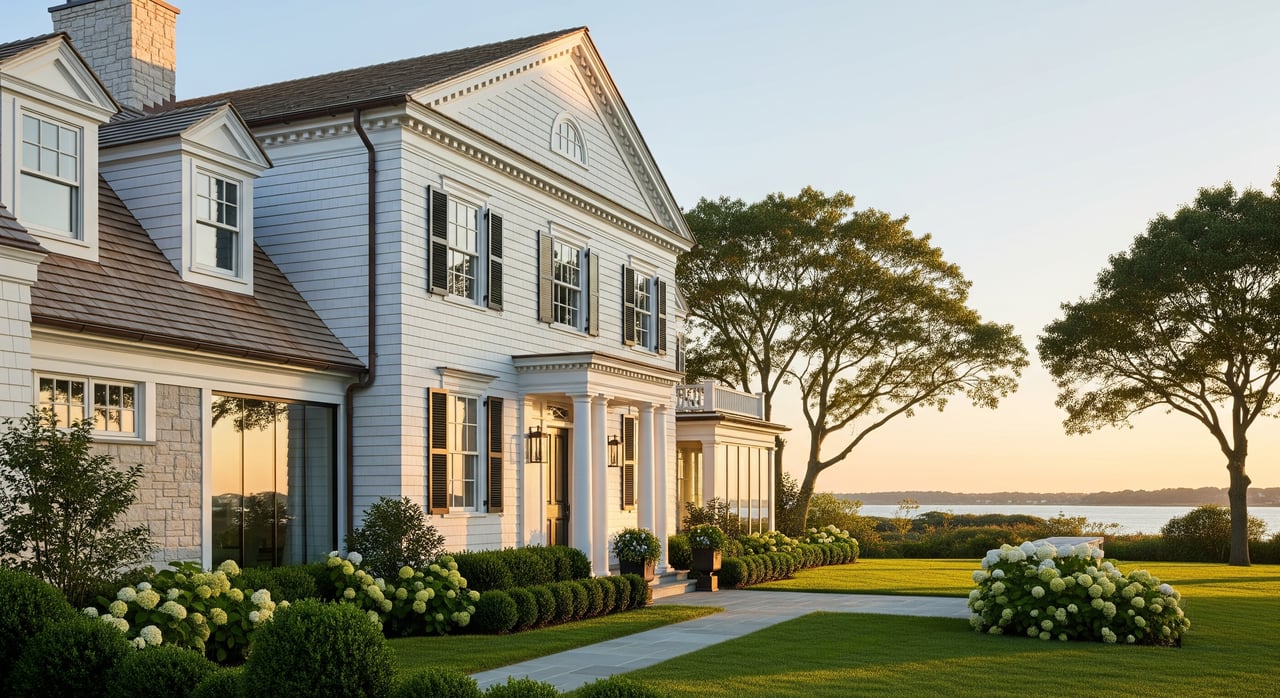
Pricing a renovated Colonial in Oyster Bay is part math, part storytelling, and all about local nuance. You want to honor the quality of your upgrades without outpacing what buyers will pay on your specific block. With the right comps, thoughtful adjustments for renovations, and sharp presentation, you can support a price that attracts attention and holds up through appraisal. Here is a practical playbook tailored to Oyster Bay sellers. Let’s dive in.
Know your Oyster Bay market
When buyers consider Oyster Bay in Nassau County, they weigh a few consistent factors. School district boundaries are a major filter, so confirm your home’s exact assignment before choosing comps. Commuters look at proximity to Long Island Rail Road stations and key highways. Many buyers also value access to the harbor, marinas, parks, and village dining. Property taxes influence affordability and should be part of your pricing strategy.
For renovated Colonials, your most likely buyers are families who want space and a turnkey feel, professionals who commute, and some empty-nesters aiming to avoid projects. Renovations that modernize kitchens and baths and update systems usually align with what these buyers expect on the North Shore.
Before you finalize a price, review current inventory, absorption rate, and recent sold trends in your hamlet or school district. Consider your timing relative to seasonality. Also keep appraisal standards and the mortgage rate environment in mind, because both affect how aggressive you can be.
Choose the right comps
Your best comps are the homes your likely buyers would see as true alternatives. Focus on solds first for value, then use active and pending listings to position your price.
Core attributes to match
- Style and type: single-family Colonial or a similar two-story plan.
- Living area: aim for within 10–15 percent of your finished square footage.
- Bedrooms and baths: match count and functionality, such as 4 bedrooms with 2.5 baths.
- Lot size and usability: backyard depth, grade, and privacy matter on Long Island.
- Location: your street or immediate block is ideal; otherwise, same neighborhood or school district.
- Sale date: closed within 3–9 months is best in an active market.
- Condition: prioritize comps with similar renovation level. If none exist, use unrenovated sales and adjust for your upgrades.
Secondary attributes to adjust later
- Finished basement or attic and whether there is legal egress.
- Garage size, parking, and storage.
- Additions or expansions and how well they integrate.
- Outdoor improvements like patios, decks, and pools.
- Systems and mechanicals, roof age, windows, and siding.
- Views, water access, or waterfront.
Distance and time window
Start on your block, then expand to 0.25–0.5 miles for hamlet-level consistency. If needed, widen to 1 mile or the full school district. Use 3–6 sold comps if possible and a wider set of actives and pendings to triangulate your position.
Adjust for renovations
Not all upgrades are valued equally by buyers and appraisers. Use a mix of market and cost logic to quantify your renovation’s contribution to value.
Approaches to quantify value
- Paired-sales method: compare two similar sales where the key difference is the renovation. The price gap is your best market indicator.
- Cost-based perspective: estimate replacement cost for the improvement and discount for market acceptance. Cost is not the same as value.
- Percentage adjustments: apply careful percent adjustments to price or price per square foot based on local data. Use conservatively and only when supported by sales.
Categorize your renovation level
- Cosmetic refresh: paint, floors, lighting. These improve appeal but have limited direct value.
- Mid-range: kitchen and bath updates, new windows, and mechanical upgrades. These typically raise willingness to pay.
- High-end or structural: additions, full gut projects, new primary suite, major site work. These can command premiums but risk over-improvement if they exceed neighborhood norms.
Common line items buyers notice
- Kitchen: layout, appliance package, cabinetry quality, counters, and footprint. Provide scope, permits, invoices, and before-and-after photos.
- Bathrooms: count of full baths and level of finishes. Provide receipts and permits.
- Systems: roof, HVAC, electrical, and plumbing with install dates and warranties. New systems reduce buyer objections.
- Additions: permitted square footage reliably adds value. Include plans and certificates of occupancy when applicable.
- Finished basement or attic: appraisers often assign a lower rate to below-grade space. Show egress, ceiling height, and mechanical tie-ins.
- Exterior and site: siding, windows, landscaping, driveway, and decks enhance curb appeal and lower maintenance concerns.
Practical adjustment tips
- Apply quantitative adjustments first for objective items like square footage and bath count. Then layer in renovation-related value based on paired sales.
- Be conservative with specialty finishes that outpace the area’s ceiling. High design can inspire buyers but may not price out dollar-for-dollar.
- Document everything. Clear evidence helps buyers and appraisers translate quality into value.
Factor in block-level nuances
On the North Shore, values can shift within a few streets. Your micro-market is often as important as the house.
What to evaluate
- Street character and traffic: tree-lined, quiet cul-de-sacs often command premiums compared to through-streets or near commercial corridors.
- Water proximity: harbor or Sound views, deeded access, or docks can create material price differences.
- Corner vs mid-block: corners may offer larger yards but sometimes less privacy.
- Adjacent uses: nearby commercial or institutional properties can affect price.
- Lot orientation: backyard privacy and sun exposure matter for daily living.
- Flood zone and elevation: special flood hazard areas raise insurance costs and influence buyer eligibility.
- Historic or architectural restrictions: these shape buyer expectations and renovation flexibility.
How to research it
- Visit at different times of day to observe traffic, noise, and parking.
- Review tax maps and school boundary maps to confirm assignments and parcel details.
- Check FEMA flood zone status and elevation for insurance implications.
- Study sales on the same block, even if older, to understand buyer psychology.
Pricing implications
If your renovated Colonial sits on a premium block compared to your comps, note and support a positive adjustment. If your block has drawbacks, set a ceiling that reflects that reality, even with high-end upgrades.
Set strategy and timing
Use current inventory levels and buyer demand to choose your launch strategy.
- Market-competitive: price at the expected contract value supported by adjusted comps. This is ideal for a predictable sale and shorter days on market.
- Slightly aggressive: list a bit above the indicated range to test demand and leave room to negotiate. This can work when inventory is tight.
- Value capture: list toward the top of the range with premium marketing and staging to justify the ask. This may require patience and strong negotiation.
Consider seasonality. Spring is typically more active, but well-presented homes sell year-round when priced with discipline.
Package your renovation
How you present your upgrades can be as important as the upgrades themselves.
Pre-listing documentation
- Permits, certificates of occupancy, and sign-offs.
- Contractor invoices and manufacturer warranties.
- Before-and-after photos with dates and a short scope of work narrative.
- Finish schedule listing appliances, fixtures, flooring, and lighting.
- Floor plans that clarify finished versus unfinished areas.
- A comp packet showing 3–6 sales and your adjustment logic.
Marketing elements that support price
- Professional photography timed for ideal light and angles.
- Floor plans and a virtual tour to showcase flow and finished space.
- Listing copy that highlights de-risking items like new roof or HVAC.
- Clear references to commute access, school assignment, water proximity, and village conveniences, stated in neutral, factual language.
Staging and show readiness
Staging should clarify room function and scale. Curb appeal matters. Fresh landscaping, a crisp front door, and a clean driveway set price expectations before buyers walk in.
Negotiation and appraisal levers
A disciplined approach helps you protect price through contract and closing.
- Pre-inspection: address issues up front and plan for targeted credits instead of broad price cuts.
- Terms: consider offering flexibility on possession and closing to win strong buyers without sacrificing price.
- Appraisal strategies: if recent sales trail your price due to your superior condition, supply the appraiser with a documentation packet and your renovated comps. In strong markets, some sellers request appraisal gap coverage, but use this only when conditions support it.
- Multiple offers: set a clear deadline, welcome escalation clauses, and present full disclosures to reduce contingencies.
Banks and appraisers rely on comparable sales. If your home is substantially improved compared to its historic assessment, expect the appraisal to anchor on recent renovated sales, not your project cost. Your job is to make the quality and compliance unmistakable.
A step-by-step pricing workflow
- Confirm school zoning, flood zone status, tax details, and commute context for your exact address.
- Build a comp set starting on your block, then expand to your hamlet and school district. Prioritize renovated Colonials.
- Classify each comp by condition. Adjust for square footage, beds and baths, lot, and key features.
- Apply renovation adjustments using paired sales where available. Use cost-based logic and conservative percentage adjustments when necessary.
- Reconcile to a value range and select your launch strategy based on seasonality, inventory, and your timeline.
- Assemble your documentation and marketing assets to support your price through showings and appraisal.
Mistakes to avoid
- Choosing comps from outside your school district when better local options exist.
- Overweighting price per square foot without adjusting for condition and block.
- Expecting dollar-for-dollar returns on boutique finishes that exceed the area ceiling.
- Ignoring flood zone, adjacent uses, or traffic patterns that buyers will notice.
- Listing before permits and documentation are organized.
Next steps
If you are targeting a 3–6 month timeline, start your comp work now and plan your preparation milestones. A thoughtful pricing strategy, backed by documentation and standout presentation, will help you launch with confidence and close with fewer surprises.
When you want a pricing plan that blends financial rigor with design-forward presentation, connect with the Farber Locke Team. We pair CPA-level analysis with hands-on staging and premium marketing to help Oyster Bay sellers maximize value.
FAQs
How should I choose comps for a renovated Colonial in Oyster Bay?
- Start on your block with sold renovated Colonials, then expand within 0.25–1 mile or your school district. Match style, size, bed/bath count, lot usability, and sale date.
How do I adjust my list price for a new kitchen and baths?
- Use paired sales when possible to see market-supported differences. Otherwise, apply conservative adjustments and document scope, permits, and quality to support the premium.
What if some renovations were not permitted before listing in Oyster Bay?
- Disclose and consult your agent and attorney about options such as retroactive permits. Unpermitted work can affect appraisal and buyer financing.
Should I get a pre-listing appraisal for my renovated Colonial?
- It can help if you anticipate appraisal sensitivity. A broker price opinion is valuable, but an appraisal provides an independent baseline in tight negotiations.
How do block-level factors in Oyster Bay affect price?
- Street character, traffic, water proximity, flood zone status, and adjacent uses can shift value within a few streets. Choose comps that reflect these micro-market realities.
What pricing strategy works best in a low-inventory Oyster Bay market?
- A slightly aggressive strategy can test demand while leaving room to negotiate. Ensure your documentation and marketing justify the higher ask.
