Buying an older home in Oyster Bay can feel like finding the perfect mix of charm, history, and possibility. It can also raise practical questions fast, especially when you are trying to tell the difference between timeless character and costly repairs. If you are considering an older home here, knowing what to watch for can help you make a smarter decision with more confidence. Let’s dive in.
Why older Oyster Bay homes stand out
Oyster Bay has deep roots, with town history tracing back to 1639 and a long tradition of preserved homes, landmarks, and historic sites. That means when you tour older properties, you may be seeing more than age alone. You are often looking at homes that reflect different building periods, updates, and additions layered over time.
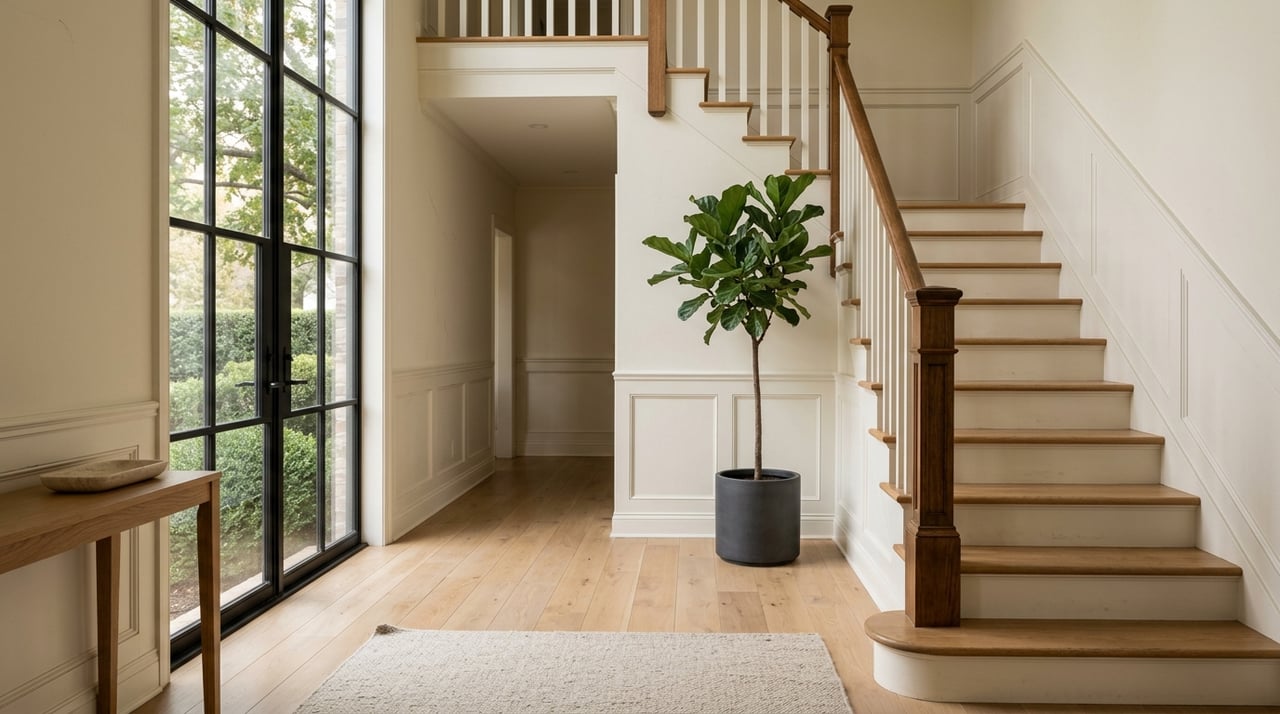
In practical terms, many older Oyster Bay homes offer details that are hard to recreate today. Original trim, fireplaces, masonry, staircases, wood floors, and classic room proportions can add lasting appeal. Those features are often worth a closer look because they contribute to the home’s character in a way newer finishes cannot always match.
Focus on character, not cosmetics
When you walk through an older home, try to separate what is easy to change from what is truly valuable. Paint color, cabinet fronts, counters, light fixtures, and decor are usually cosmetic. These items can affect first impressions, but they do not always tell you much about the home’s real condition.
What matters more is whether the home has preserved quality details and whether those details have been cared for. A well-kept older home can have both charm and function. A stylishly updated home can still hide expensive issues beneath the surface.
Signs of deferred maintenance
At a showing, visible clues can tell you a lot. Water stains, patchwork repairs, cracked finishes, and mismatched materials may point to older problems that were only partly addressed. These signs do not always mean you should walk away, but they do mean you should slow down and ask more questions.
Older homes often have stories written into their walls, floors, and basements. Your goal is to understand whether you are seeing normal wear or signs of unresolved issues. That distinction can affect both your renovation budget and your long-term ownership costs.
Check moisture and drainage first
If there is one issue that deserves your attention early, it is moisture. Water can enter through exterior leaks, foundation cracks, or basement floors. In older homes, moisture problems can turn a beautiful property into a much more expensive one.
Look closely at basements, lower-level walls, ceilings, and around windows. Musty odors, staining, peeling finishes, or signs of mold can all suggest a water issue. According to New York State and federal health guidance in the research, mold growth means there is a moisture problem that needs to be addressed.
Why basements matter in older homes
Older foundations and basement areas deserve special attention in Oyster Bay homes. Moisture can affect air quality, materials, and future renovation plans. It can also be connected to drainage issues outside, not just what you see indoors.
As you tour a property, notice the grading around the home, any signs of pooling water, and whether basement finishes look recently patched. A dry, well-maintained lower level is a strong positive sign in an older home. A damp one may point to larger work ahead.
Pay attention to comfort and efficiency
Many older homes have less insulation than homes built today. If a house feels drafty, unevenly heated, or hard to keep comfortable from room to room, it may need more than a cosmetic refresh. Air sealing and insulation upgrades can be part of the true cost of ownership.
This does not mean older homes cannot be comfortable. It means you should notice how the home feels while you are in it. A home with preserved charm and thoughtful system updates can offer both character and everyday livability.
Understand common environmental concerns
Older homes can come with materials or conditions that deserve careful review. In Oyster Bay, where you may encounter homes from a wide range of building eras, this is especially important. Knowing what to ask about helps you move forward with clarity.
Lead in older homes
The older the home, the more likely it is to contain lead-based paint. The research notes that 87% of homes built before 1940 have some lead-based paint, and lead may also be present in older plumbing or water lines. A fresh coat of paint does not automatically resolve the issue.
If you are considering a pre-1978 home, it may make sense to look into a certified inspector or risk assessor. This is one area where assumptions can become costly. It is better to understand the facts before closing.
Asbestos in building materials
Homes built between the 1930s and 1970s are more likely to contain asbestos in materials such as insulation, floor tiles, ceiling tiles, shingles, or pipe wrap. In some cases, intact material may remain undisturbed. The bigger concern is damaged material or planned renovation work.
If you expect to update an older Oyster Bay home, this matters. Renovation plans should take existing materials into account so work can be handled safely and correctly.
Radon testing in New York
New York State recommends testing for radon when buying a home and again after major renovations. The state recommends taking action if radon levels are 4 pCi/L or higher. Since radon can enter through cracks in foundations and basement areas, older homes with basements are worth testing.
Radon is not something you can judge by appearance during a showing. That is why testing is a smart step as you move deeper into due diligence.
Watch for Long Island-specific issues
Some of the most important questions in an older Oyster Bay home are easy to miss if you focus only on finishes and layout. Local infrastructure and property conditions can have a major effect on future costs. These items deserve early attention.
Septic or cesspool systems
If a property is not connected to public sewer, ask about the septic or cesspool system right away. Nassau County’s S.E.P.T.I.C. program notes that grants of up to $35,000 may be available for eligible properties replacing failing systems with nitrogen-reducing alternatives. That makes service history and replacement timing especially important.
Ask when the system was last pumped, whether there are maintenance records, and whether any replacement discussions have already taken place. A charming older home can become much less appealing if a major system is nearing the end of its life.
Flood exposure
For coastal or low-lying Oyster Bay properties, flood risk should be checked early. FEMA flood maps can help you understand whether the home sits in a high-risk flood zone. The research also notes that homes in high-risk A or V zones with a government-backed mortgage require flood insurance.
Flood risk can also change over time. That is why it helps to confirm flood-zone status before you get too far into the process, especially if monthly ownership costs are a key part of your decision.
Underground oil tanks
Older homes with oil heat deserve extra scrutiny. Nassau County warns that an underground heating-oil tank that is 30 years old or older may be close to failure, and leaks can be expensive. If a home has oil heat, confirm whether there is an underground tank and whether any old tank was properly removed or abandoned.
This is one of those issues that may not be obvious from a quick tour. Asking early can save you from surprises later in the transaction.
Historic designation
Some older Oyster Bay homes may be designated landmarks or located within a preservation framework. The Town’s Landmarks Preservation Commission reviews landmark designations and exterior alterations on designated properties. That can affect changes to windows, additions, porches, or facade work.
If you already have renovation ideas, check the property’s status before closing. A home’s historic standing can be part of its appeal, but it can also shape what changes are possible.
Schedule the right inspection quickly
Once you are serious about an older home, an independent home inspection becomes one of your most important next steps. The research recommends scheduling it as soon as possible. This is where charm, cosmetics, and actual condition become easier to separate.
For an older Oyster Bay property, your inspection period is the time to get clear on moisture issues, structural condition, major systems, environmental concerns, and local property-specific items like oil tanks or septic. A thoughtful inspection can help you decide whether the home is still the right fit and what ownership may really cost.
A smart way to evaluate an older home
The clearest way to think about older Oyster Bay homes is simple: cosmetics are often manageable, but moisture, environmental concerns, utility systems, and condition issues drive the true cost of ownership. If the home has preserved character and solid fundamentals, it may offer exceptional long-term value. If the visible charm hides major unresolved issues, the numbers can change quickly.
That is why local context matters. In a market with historic homes, varied building eras, and unique North Shore property considerations, careful evaluation helps you protect both your budget and your peace of mind.
If you are weighing the pros and cons of an older Oyster Bay home, the right guidance can make the process much clearer. The Farber Locke Team brings local market insight and a thoughtful, detail-oriented approach to help you evaluate opportunities with confidence.
FAQs
What should you look for first in an older Oyster Bay home?
- Start with moisture, drainage, and visible signs of deferred maintenance, since water-related issues often have the biggest effect on long-term costs.
Are cosmetic updates in older Oyster Bay homes a major concern?
- Usually, cosmetic items like paint, counters, lighting, and decor are easier to change than structural, moisture, or system-related problems.
Should you test for radon in an older Oyster Bay home?
- Yes. New York State recommends radon testing when buying a home and after major renovations, with action recommended at 4 pCi/L or higher.
Why do septic and cesspool systems matter in Oyster Bay?
- If a home is not on public sewer, the septic or cesspool system can be a major future expense, so service history and replacement risk should be reviewed early.
Do historic rules affect older homes in Oyster Bay?
- They can. If a property is a designated Town landmark, exterior changes may be reviewed by the Landmarks Preservation Commission.
What is important to ask about oil tanks in older Nassau County homes?
- Ask whether there is an underground oil tank, whether any prior tank was properly removed or abandoned, and whether county procedures were followed.
